
LANGUAGE / 01
Keep every idea
in the conversation.
Plan interpreters, language channels and on-site coordination around your agenda.
CONTEXT / 01
Start with the meeting.
Then plan the setup.
International forums
Coordinate languages across presentations and discussions.
Corporate meetings
Prepare terminology, materials and Q&A workflows.
Cross-border dialogue
Consider language access for in-room and remote participants.
HOW WE WORK / 02
A clear process.
At every step.
The final configuration and scope are confirmed against your actual requirements.
- 01
Brief & languages
Topic, language directions, duration and available materials.
- 02
People & equipment
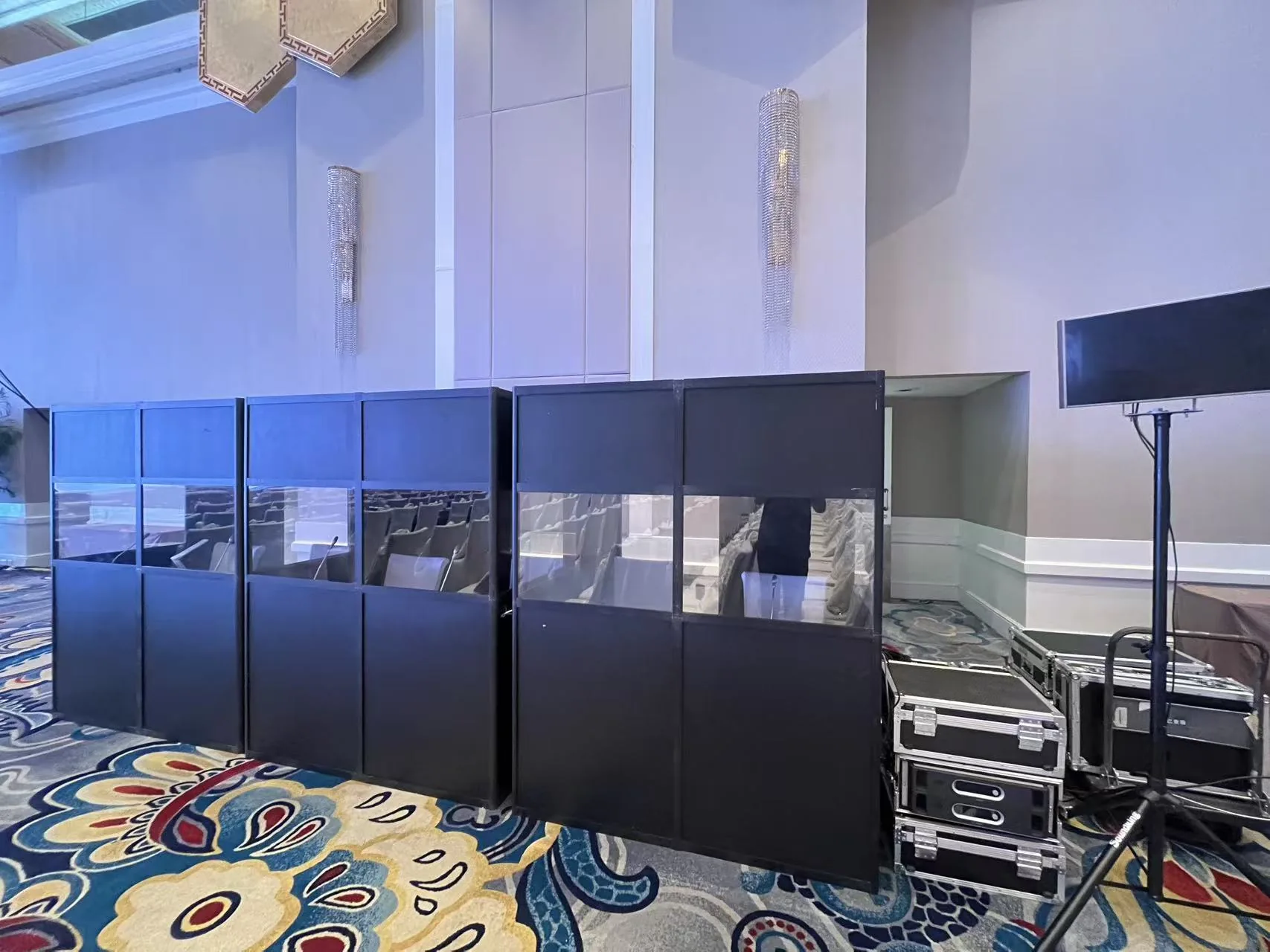
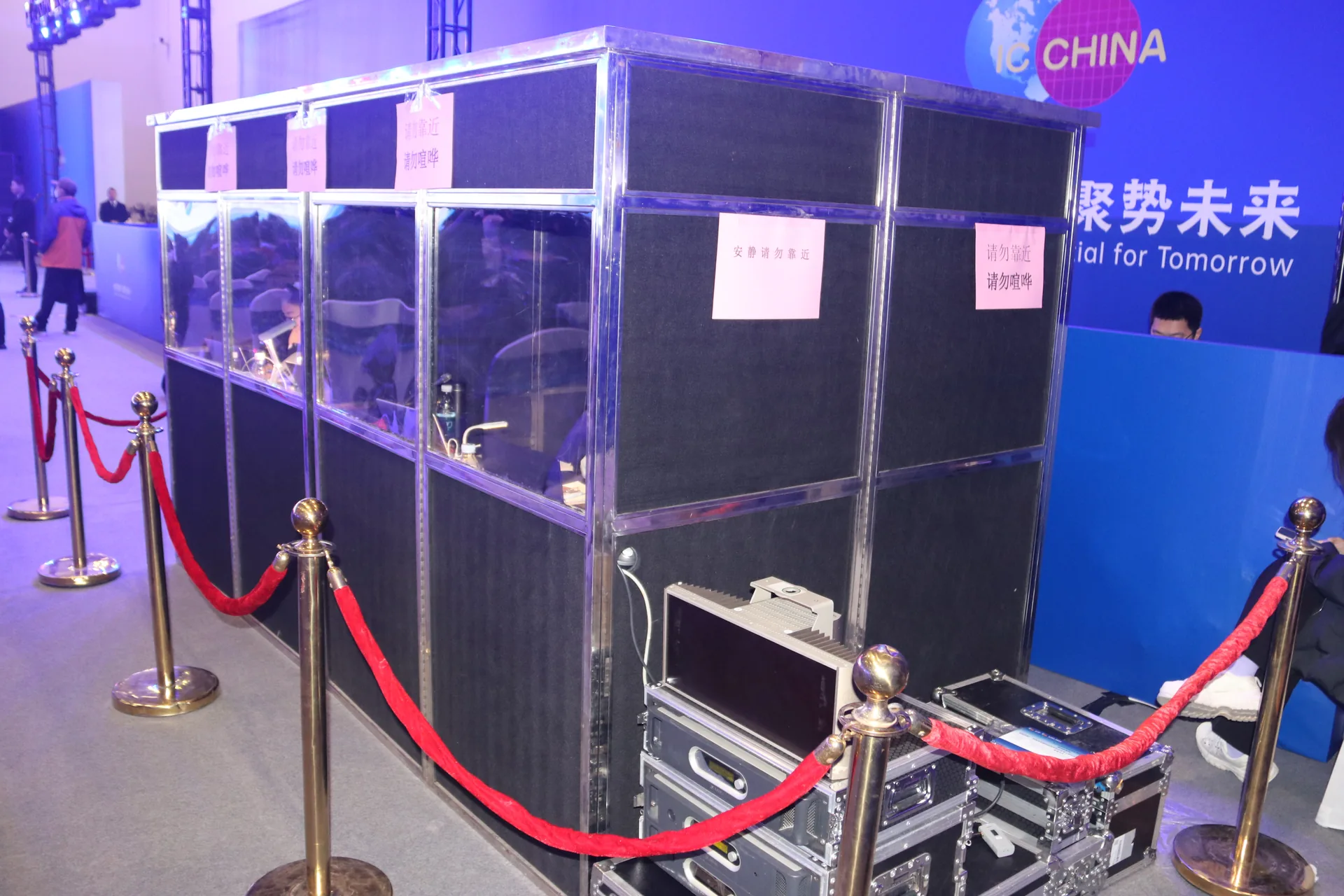
Interpreter scheduling, booths and receivers.
- 03
Rehearsal
Check source audio, channels and working conditions.
- 04
On-site coordination
Connect speakers, Q&A and the technical team.
REAL WORK / 03
Let the real work speak.
A place for actual equipment, people and delivery.
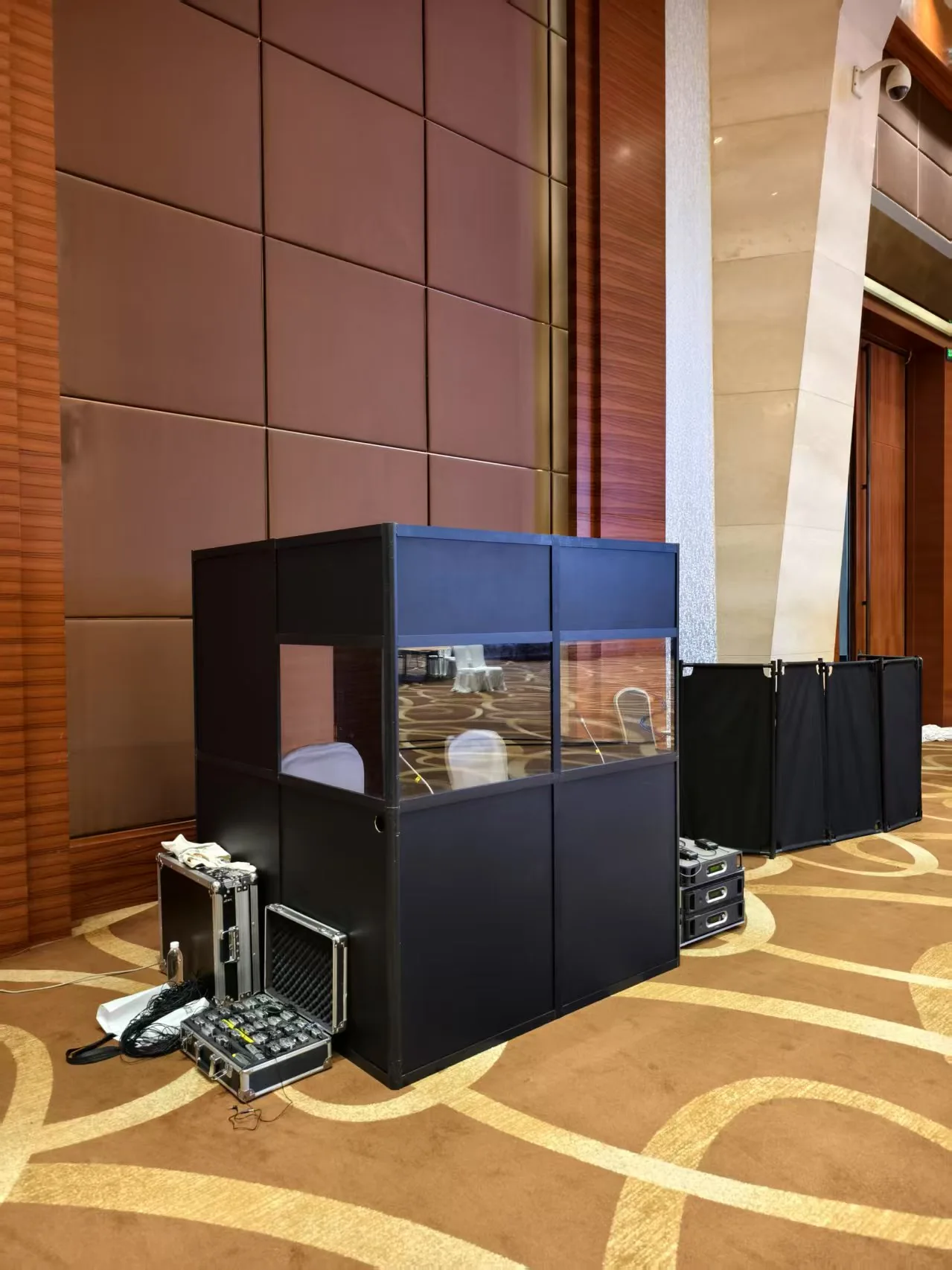
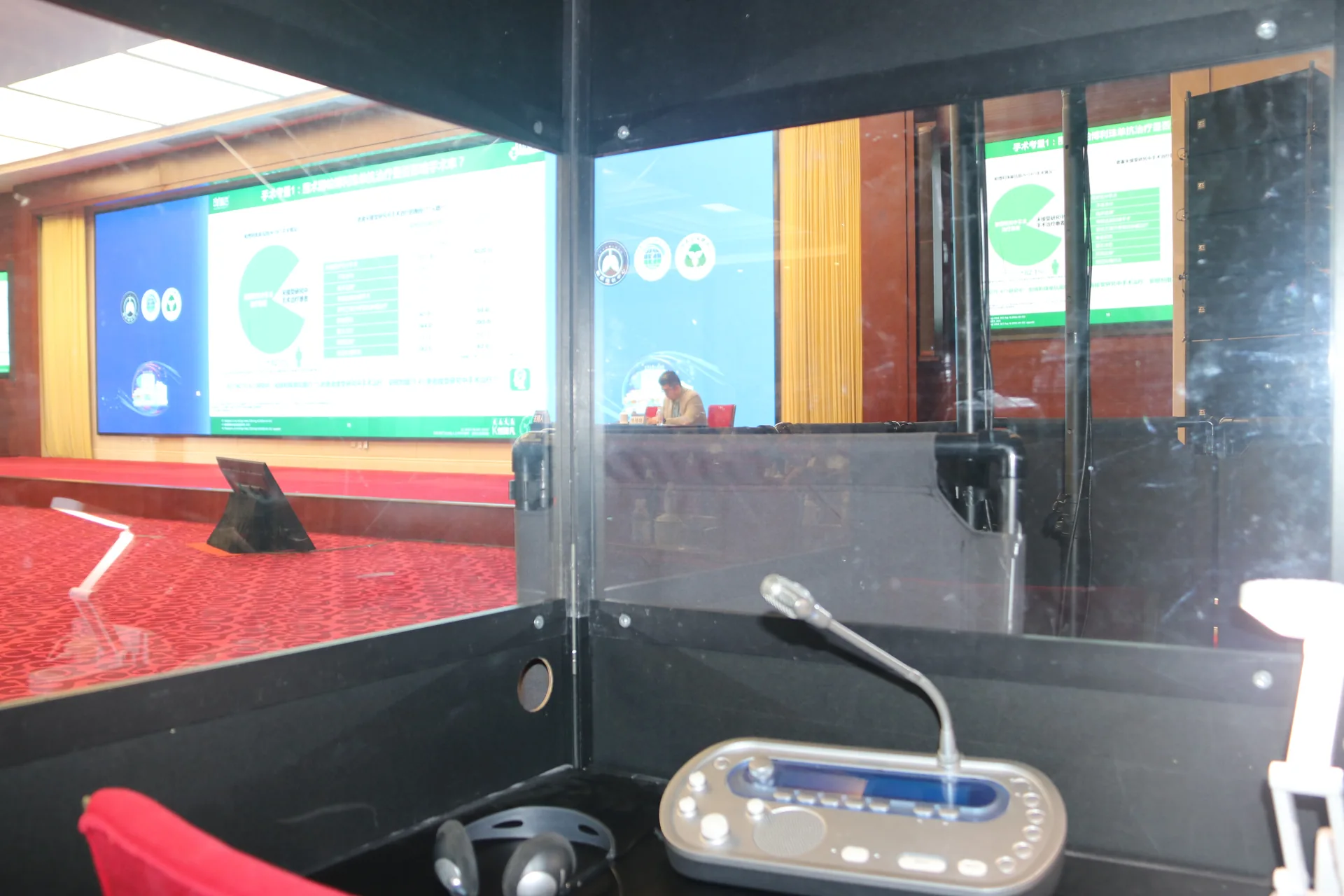
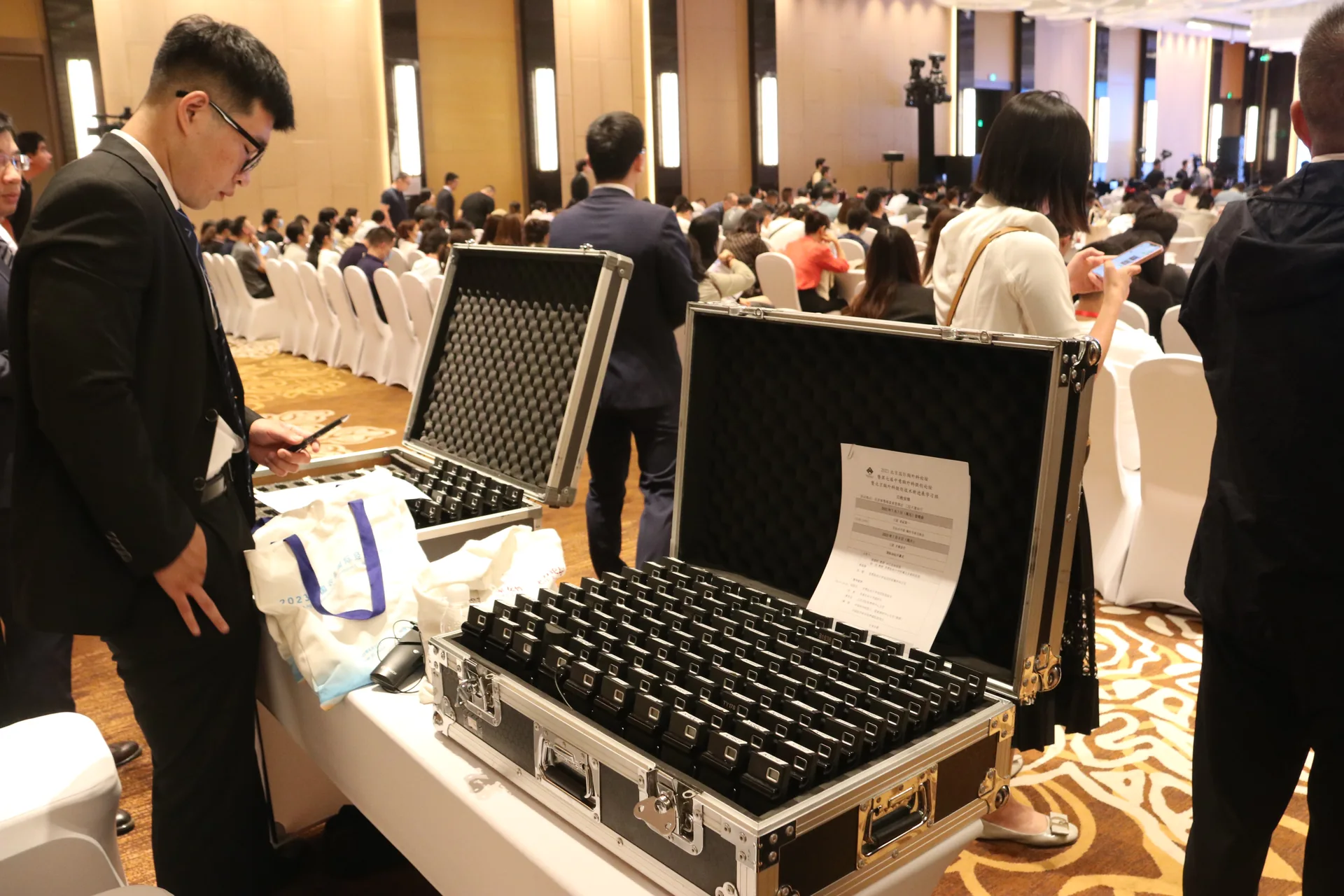
Connect language services with conference delivery
Plan how the audience receives interpretation
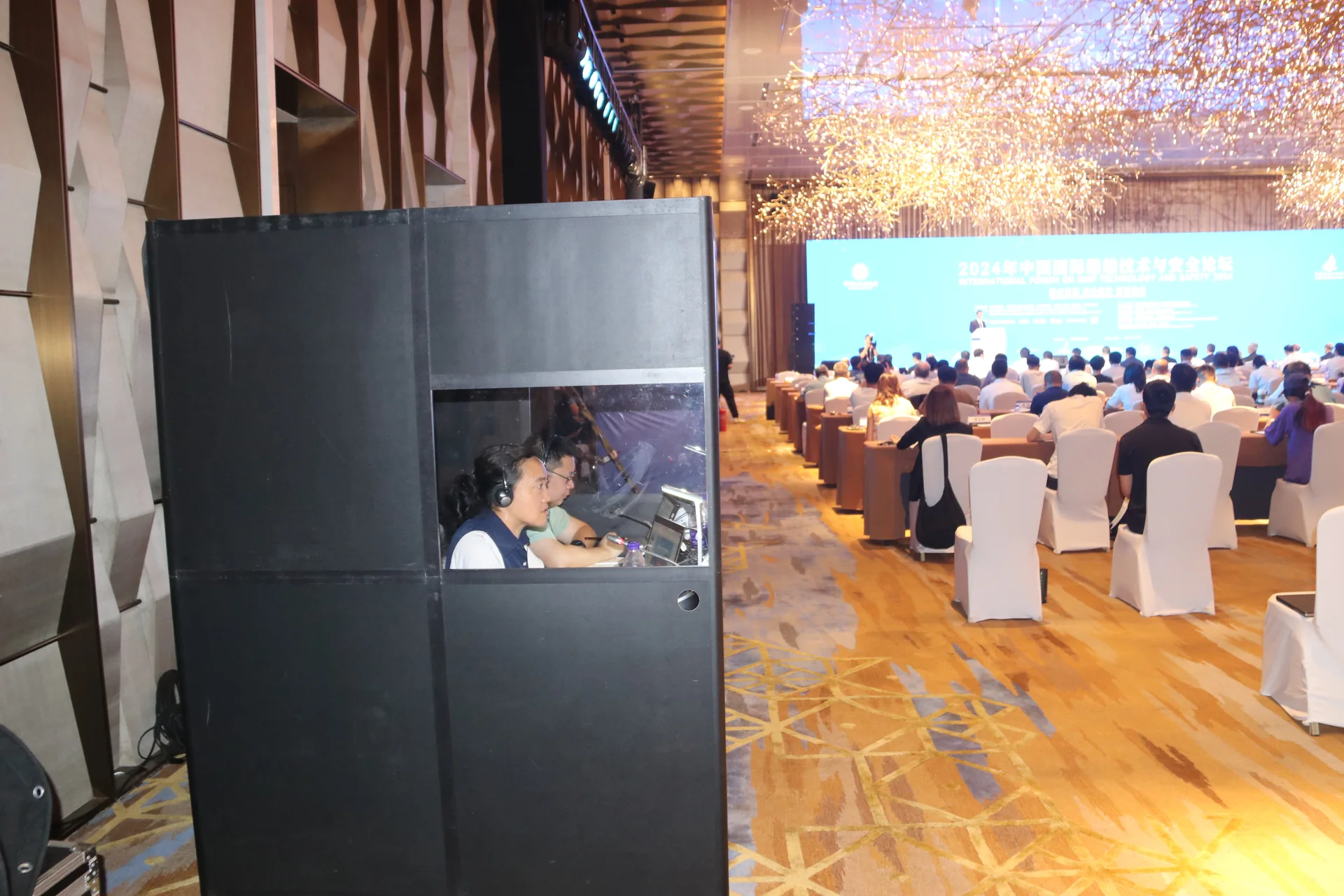
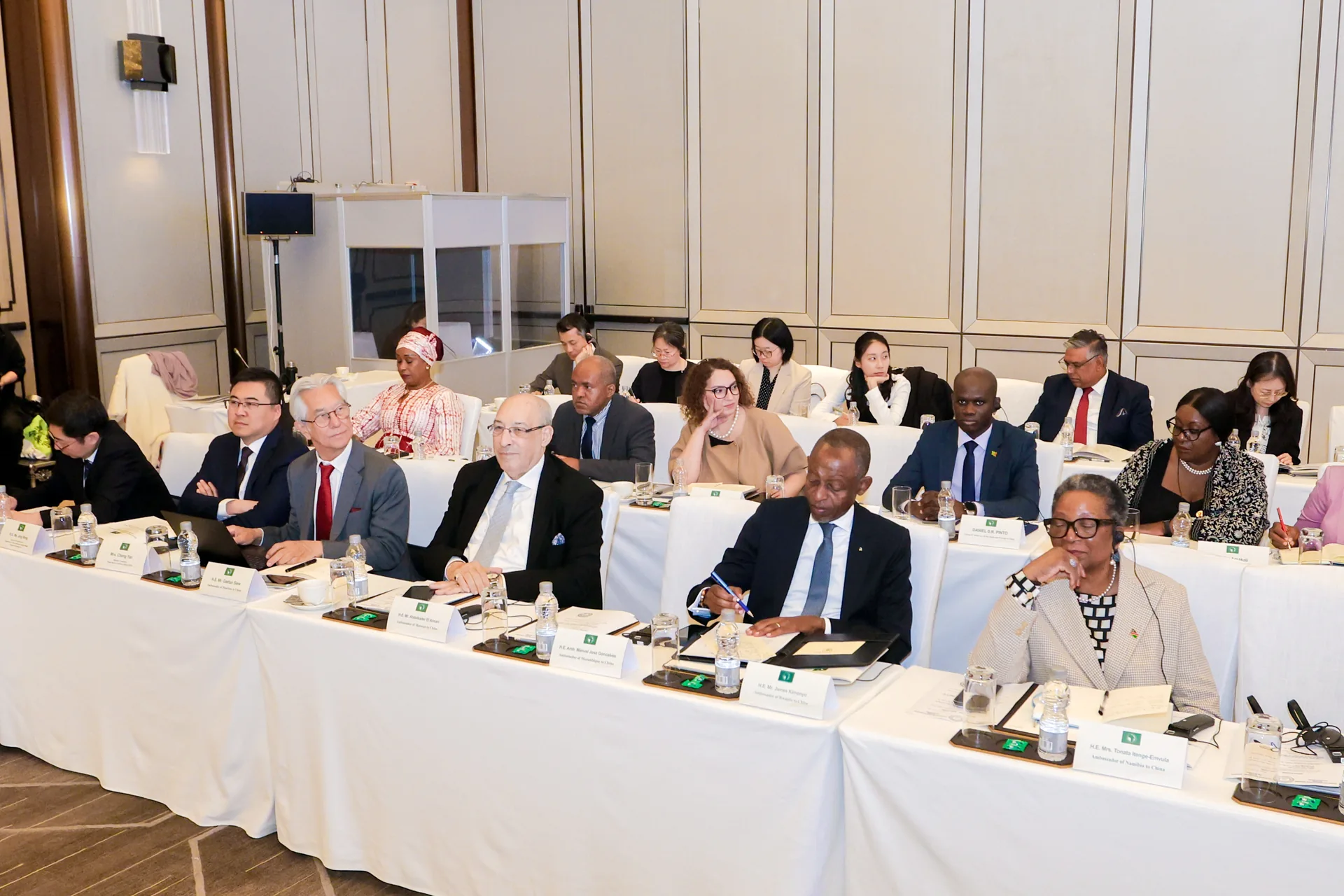
Simultaneous interpretation supports multilingual forums, corporate meetings and Q&A sessions where speakers need to maintain their flow. Planning should cover speaker and audience languages, channels and listening arrangements, rather than selecting equipment by attendance alone.
Prepare the interpreter and technical sides together
Source audio travels from the venue microphones to the interpreters, and interpretation reaches listeners through the relevant channels. Pre-event checks should cover source clarity, speaker changes, access to presentation materials and receiver listening tests. The actual signal path is confirmed against the venue and agenda.
Define the service boundaries
Simultaneous interpretation requires appropriate working conditions and receiving equipment. Consecutive interpretation may also be considered for smaller discussions. Captions are a different form of information delivery and should not be treated as equivalent to human interpreting; specialist subjects require separate assessment.
From brief to delivery: a checklist
- Provide the agenda, speaker languages, attendance and venue plan, identifying discussions, Q&A and remote presentations.
- Prepare presentation materials, names, organisations and terminology, and confirm preparation time for interpreters. Use one agreed channel for last-minute updates.
- Test the actual microphones and receivers together, including source audio, interpretation channels, audience questions and language changes.
- Coordinate the moderator and technical team around the agenda. If source audio is unclear, locate the audio issue before deciding whether to pause or adjust the presentation.
Related project record
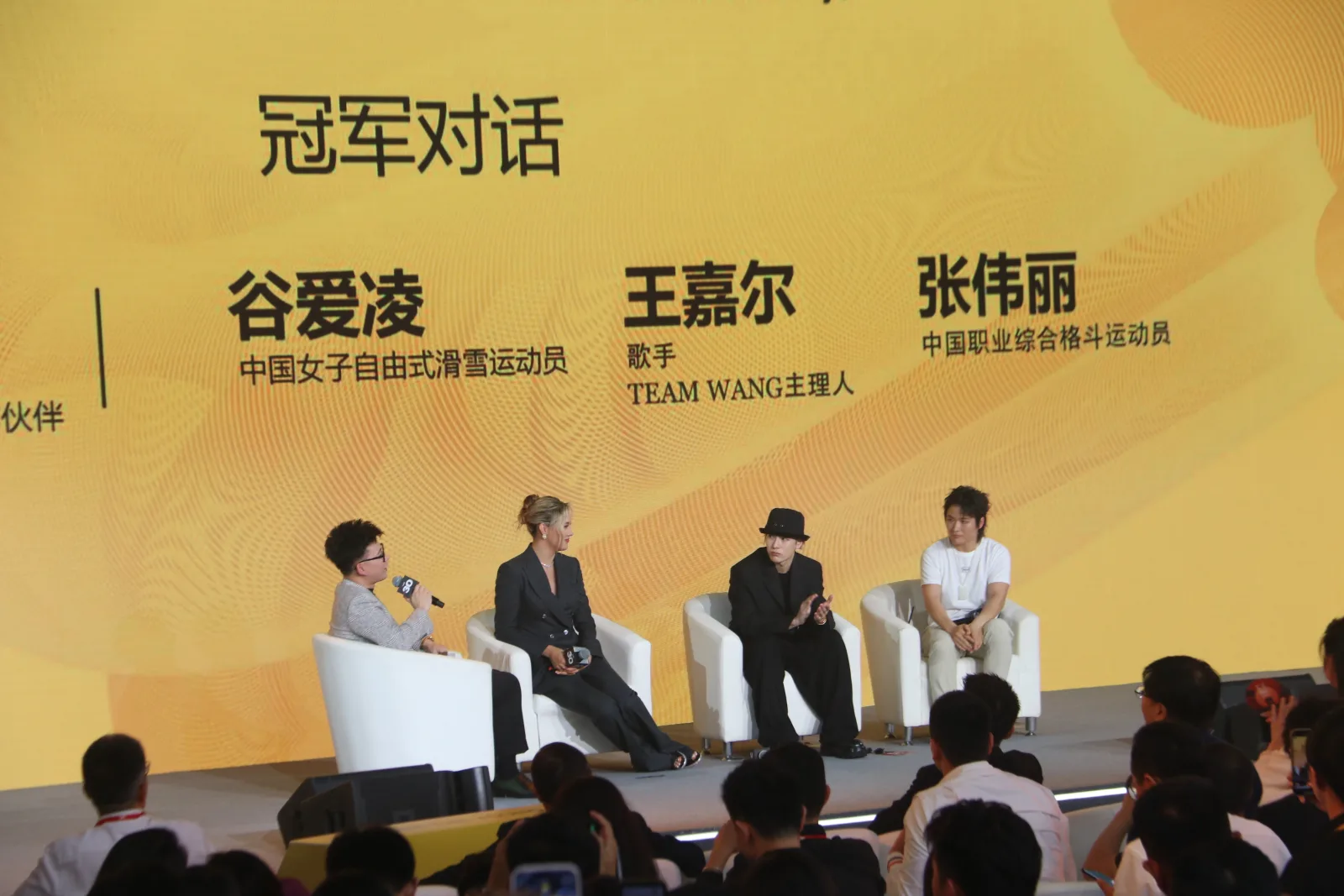
Forbes China UNDER 30 Ten-Year Summit
The published record explicitly lists simultaneous interpretation, interpretation equipment setup and installation, and transcription services. It provides a reference for coordinating language services and on-site technology.
View project details →Frequently asked questions
Simultaneous or consecutive interpretation?
Simultaneous interpretation helps maintain the flow of the meeting, with listeners using receivers. Consecutive interpretation normally requires pauses by the speaker. The choice depends on the agenda, attendance, venue and interaction format.
What materials should be supplied in advance?
Provide the latest agenda, speeches or slides, names and organisations, technical terminology and moderator scripts where available. Mark updated versions so interpreters and organisers work from the same materials.
Can live Q&A be included?
It can be assessed as part of the plan. Question microphones, speaker languages and interpreter monitoring must be included in testing. Questions that are not captured by a microphone cannot provide a reliable source for interpreters.
What happens if there is noise or a microphone change?
Organisers and technicians should first identify the source and switching path, then check both interpreter and audience audio. Agree pause signals, alternative sources and on-site responsibilities before the meeting.
Discuss the next step
Share the agenda, language directions, attendance, venue and material preparation schedule so we can confirm the people, equipment and on-site coordination required.
Discuss your conference with Cultrans · 400-810-0185 · kunchengguoji@foxmail.com
LET’S PLAN YOUR CONFERENCE
Your next conference
starts with a conversation.
City · Date · Attendance · Languages · Services
Call us · 400-810-0185 ↗kunchengguoji@foxmail.com